
Think like a mountain
Rumination #4

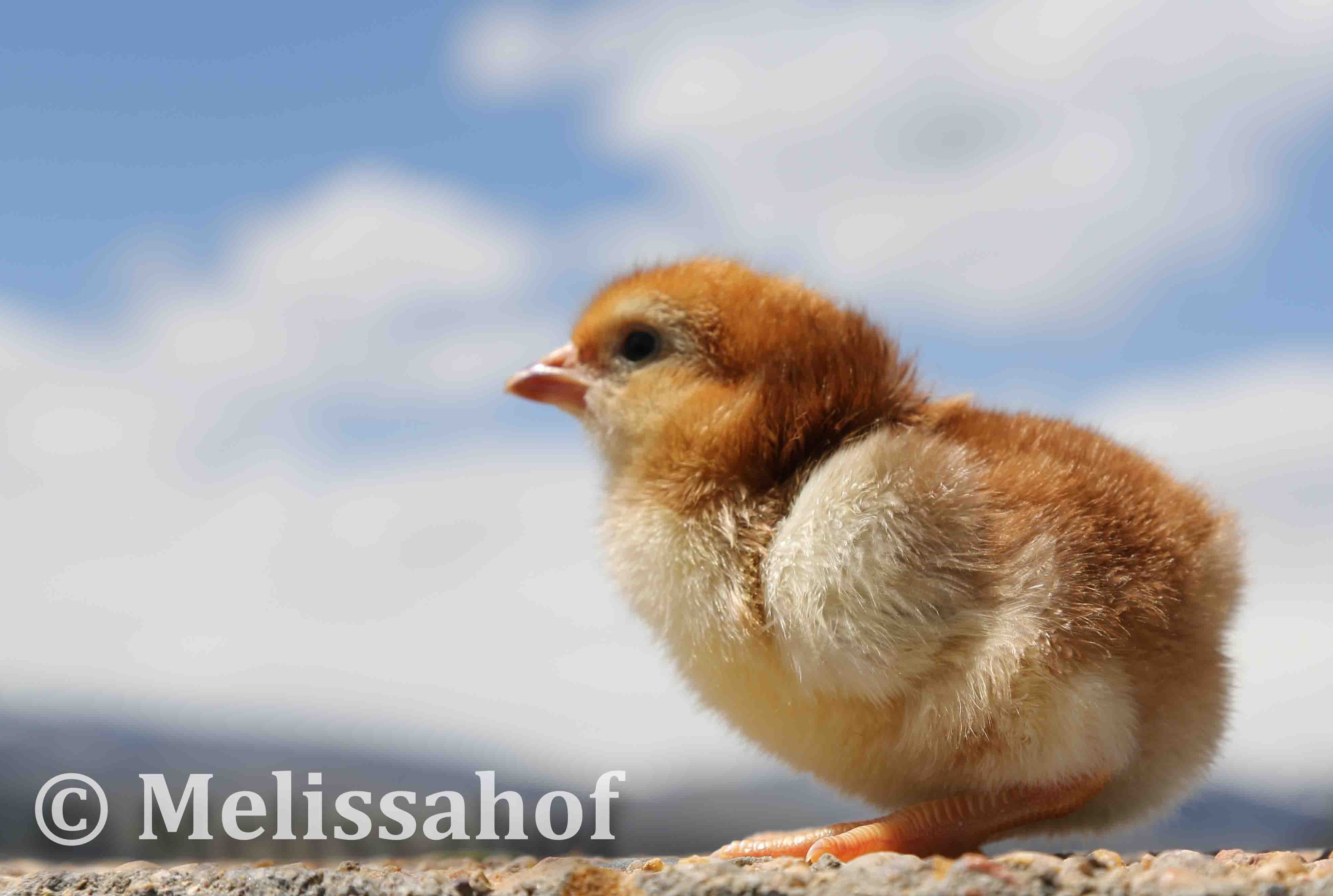
The pursuit of comfort and ease is the straightest road to boredom. Beauty is the confusion within diversity and vagaries of nature. It’s cultural distinction, the biodiversity of native plants and heritage breeds, and being dependent on the land and thus the weather. Vital for deep appreciation of life is thinking like a mountain – embracing all, standing firm and exhorting ecological balance.
Cultural heritage is food
Slow Food International keeps a living catalog -The Ark of Taste - of distinctive foods. These food plants and animals embody biodiversity health and cultural traditions. Slow Food USA has identified two American chicken breeds for its Ark of Taste USA, one of which is the Buckeye. At Melissahof, the Buckeye is one of the five heritage breeds represented.
The Buckeye breed began in 1879 in Nettie Mae Metcalf’s yard near Warren, Ohio. She was unsatisfied with the chickens available to her. Nettie decided to develop a dual-purpose chicken that would excel at egg laying and meat production. She first crossed some Barred Rocks with Buff Cochins. The resulting chickens were good egg layers and were large-bodied for meat, but they were lazy. Yet, Nettie loved their mahogany red coloring. A rarity for chickens in the late 1800s.
“To begin with, I kept chickens to earn my own spending money. I had been used to having my own pocketbook before marriage. Every woman who has ever been independent in this way always wants the same feeling of independence as to money all her life. There is no way of earning money along with other housework so fascinating and satisfactory to one who loves pets as the care of chickens. Housework and sewing do not fit well, both being too confining to the house, while the hens take one out of doors to breathe the fresh air. Certainly, a run after a few refractory hens trespassing in the garden or flower beds discounts all the deep breathing exercises in the world.”
- Mrs. Frank Metcalf writing in the Pacific Fancier magazine, April 1909.
Nettie wanted a flock that would go out into the field to forage for plants and insects. To add an active personality needed for foraging behavior, Nettie procured Indian game roosters to cover the Barred Rock-Buff Cochin cross. The neighbors really started laughing when Nettie’s next batch of chicks had green legs! Undaunted, Nettie continued to refine her Buckeyes through selection of the best in her flock as breeding pairs.
The resulting distinctive breed has dark red plumage, yellow legs and a pea comb. The Buckeyes are excellent egg layers and meat birds that are vigorous foragers with keen survival instincts and are well-suited to cold climates.
They are considered the best ranger of the American class and the top pick as a homesteading bird.
Nettie diligently worked to have her Buckeyes recognized. They were certified by the American Poultry Association in 1905.
To this day, 121 years later, the Buckeyes remain the only certified American breed developed by a woman. What started as Nettie’s side hustle for pin money became her full-time job as a well-known breeder.
Saying yes says no to something else
In the 1930s, poultry production was industrialize into large-scale commercial farms. Consumers like the affordability of meat grown in mass-production, so it continues. With this consumer choice - saying yes to industrial poultry production - the Buckeyes and other heritage breeds are outcompeted by hybrid chickens that are extremely fast growing and content in confinement barns. The type of chicken that Nettie would call lazy.
By 2005, the Buckeye breed was considered the most critically rare in the American class and on the brink of extinction – with less than 500 left.
It was also the year that the Cedar Tree Foundation sponsored the Reviving America’s Food Traditions (RAFT) Alliance – a partnership between The Livestock Conservancy, Slow Food USA and Chef’s Collaborative. The RAFT Alliance focused on recovery of a half dozen foods important to U.S. food culture and biodiversity. Included in this handful was the Buckeye chicken. For many, the Buckeye represents how real chicken tastes and the perfect dual-purpose chicken for regenerative, holistic farms.
A way to champion food biodiversity and culture is to have more people growing, raising, making and eating significant foods.
For RAFT’s Buckeye Project, The Livestock Conservancy gathered hatching eggs from the few remaining Buckeyes. RAFT partners recruited and trained 20 poultry keepers in breeding practices and, in their small flocks across the U.S, cared for the 200 chicks hatched. In the second year there were 500 chicks hatched, followed by 750 chicks in the third year. All of these Buckeye chicks were given to poultry keepers that wanted to help revive the breed.


To save biodiversity, eat it
Simultaneously to the breeding effort, Slow Food USA and Chef’s Collaborative promoted the Buckeye chicken as a heritage meatbird. Chef Emeril Lagasse butterflied a few Buckeye rooster meatbirds on a Food Network episode. The Slow Food Columbus chapter hosted a beak-to-tail dinner that utilized Buckeye roosters in a whole animal harvest manner and in every dish.
The Buckeye meat is rich and dark. Chefs describe its flavor as robust and lingering, similar to wild game like grouse or pheasant.
The Buckeye Project of the RAFT Alliance began in 2005. Just twenty years later, in 2026, the Buckeyes have been promoted to The Livestock Conservancy’s watch list. Because some people cared about good food, the Buckeyes went from critically rare with 500 birds left to an estimated population between 5,000-to-10,000.
Nettie would be ever so thankful to have her Buckeye chickens saved. It’s up to us to continue maintaining the biodiversity.
A method of decision-making is to consider how it will impact our community seven generations from now. Within holistic thinking, the Buckeyes are priceless on a farm scaled for ecological balance.
Nettie’s Buckeyes have now weathered five human generations. Their timelessness contributes to our biodiversity health and good food being resilient to the seventh generation.
The RAFT Alliance published Renewing America’s Food Traditions: Saving and Savoring the Continent’s Most Endangered Foods with cultural histories, folk traditions and recipes of the one hundred rarest food plants and animals.
Melissa Hemken is the founder and owner of Melissahof in Lander, Wyoming. She finds her narrative traction in weaving local food connections.
What’s Crowing on Melissahof?
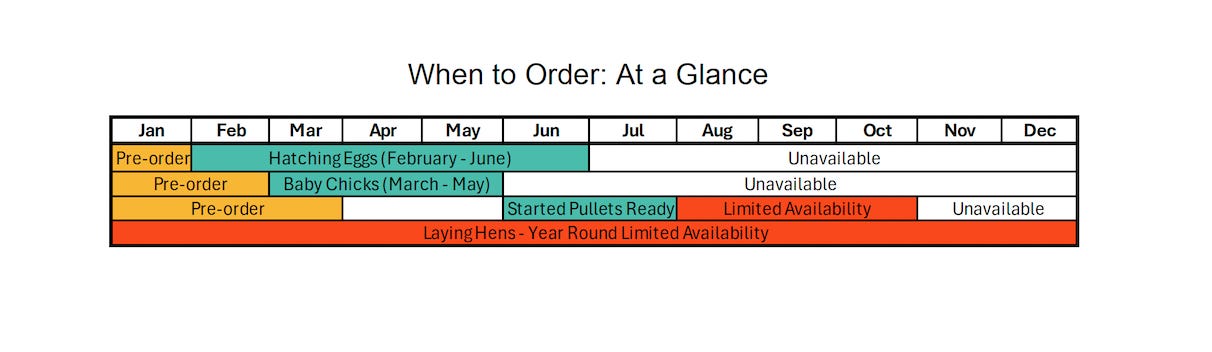
Hatching eggs now shipping
When you order, select your desired shipping date within the February to June period. Hatching eggs are shipped nationally in foam shippers specifically crafted to transport eggs. Orders of 14 or more hatching eggs are shipped within boxed styrofoam coolers.
Baby chicks and started pullet available by pre-order
Live poultry - baby chicks and started pullets - are available via on-farm pickup or delivery within Wyoming. When you order, select your date for pick-up or delivery.
Want to taste the heritage difference?
Melissahof heritage chicken meat products - whole birds, organ meats, feet and necks - are available for purchase at:
Slow Food in the Tetons Peoples Market and Online Marketplace
Meadowlark Market & Kitchen in Lander
Melissahof online store, delivery anywhere Wyoming
Memorable Mealtimes
How to roast chicken
For consistent results, place a whole bird or spatchcock in a roasting pan with a bit of water and cover with tin foil. Roast at 350°F (175°C) for 20 minutes per pound. If you have a meat thermometer, place it in the thickest part of the thigh - avoiding the bone - to ensure accurate reading. The chicken is likely done when the internal temperature reaches about 160°F.


How to ferment fire cider
American herbalist Rosemary Gladstar first presented this remedy for wavering health in the late 1970s. The tonic ingredients can vary depending on what’s available: garlic, onion, citrus, herbs, apple cider vinegar and honey. Fire cider is the easiest to make with a quantity of peeled garlic.
After a few weeks of fermentation it’s ready! Either toss it back like a shot or dilute it with warm water as a hot toddy. It can also be the base of salad dressings. Consider using the leftover solid ingredients for a curry. Although, remove the citrus first.
Fire cider recipe 👇🏻 after the break.
Create Joy
The best of friends are found around good food. Melissa first met Malyna Si, Hotel Jackson Executive Chef, at the Jackson Hole Farmers Market on the Square. Malyna and her family wanted to come see Melissahof, so Melissa invited them to join the annual garlic bee that was being held the next week. Malyna, being the good chef she is, instantly volunteered to cook the bee’s food.
Melissahof continues to be blessed from the kindness and generosity of Malyna, her family and many Hotel Jackson staff. Friendships now extend beyond garlic to mountain adventures, which, of course, always include good food.


Malyna is one of 16 chefs in CBS’s Season 1 of America’s Culinary Cup cooking show. It premiers on March 4th on CBS Paramount+ at 9:30 pm eastern. The garlic bee’s work-into-the-dark stalwarts will gather for a watch party in Lander! Yes, there will be good food.
The gathering was initiated because only one person has a Paramount+ subscription and a different person the only one with a large screen TV. Yet, to be in person in real life - instead of each sitting behind screens at home - will enrichen and enliven. Because, life is meant to be shared in community.
For happy chickens
Q: What happens when a chicken is stressed out?
A: The first symptom of stress in the flock is a sharp drop in egg production, and the second is feather picking. Stress symptoms also include pale combs, lethargy and bullying. Chickens can be stressed by strangers entering their space, loud music and fast traffic, harassment from people, dogs and predators, change in diet, being too crowded, sudden changes of air temperature and being moved to a different coop.
When the chickens are stressing, we can help them calm down. First, review what may have, or continues to, cause the stress. Remove the cause, if possible. For necessary actions like moving chickens to a different coop or for uncontrollable weather events, give your flock’s health a boost with a tonic in their water. An all-natural tonic is to add some apple cider vinegar, ginger and molasses to their water.
All-natural poultry tonic recipe 👇🏻 after the break.
Fire cider tonic recipe
For the humans, not the chickens. Makes about 3 cups.
1/2 cup fresh ginger, chopped
1 T fresh turmeric, chopped
1 red onion, sliced
10 garlic cloves, peeled
2 lemons, sliced
1 orange, sliced
6 rosemary sprigs
6 sage sprigs
4 cups apple cider vinegar
Honey to taste
In a large sterilized glass jar with a wide mouth, layer all the solid ingredients. Pour the apple cider vinegar over the top of the ingredients until it reaches the top of the jar. Add some honey.
Store the jar in a cool, dark place for five to six weeks. At the end of the fermentation period, strain the tonic out of the jar and store in a sealed glass jar or bottle a cool, dark place.
Fire cider ingredients can change with what you have on hand and your taste preferences. Here is a list of options and their health benefits.
Apple cider vinegar - digestive aid
Horseradish - helps alleviate sinus congestion and headaches
Rosemary - boosts immune and circulatory systems
Ginger - helps with digestion, infections and nausea
Garlic - antimicrobial and antibacterial properties
Onion - similar to garlic, and also great for preventing or recovering from colds or flu
Citrus - analgesic and anti-inflammatory
Cayenne pepper - can help move blood through the cardiovascular system
Sage - digestive aid
Honey - soothes inflamed tissues and organs, and local honey can also help with allergies
Adapted from Future-steading: Live Like Tomorrow Matters by Jade Miles of Black Barn Farm
Poultry tonic recipe
For use in heat waves and other stressful events.
Per 1 gallon of water mix in the following ingredients. It’s easiest to dissolve the molasses if the water is warm.
2 oz. apple cider vinegar
1 oz. molasses
1 T ground ginger
Adapted from Jeff Mattocks, Fertrell Poultry Nutritionist.